
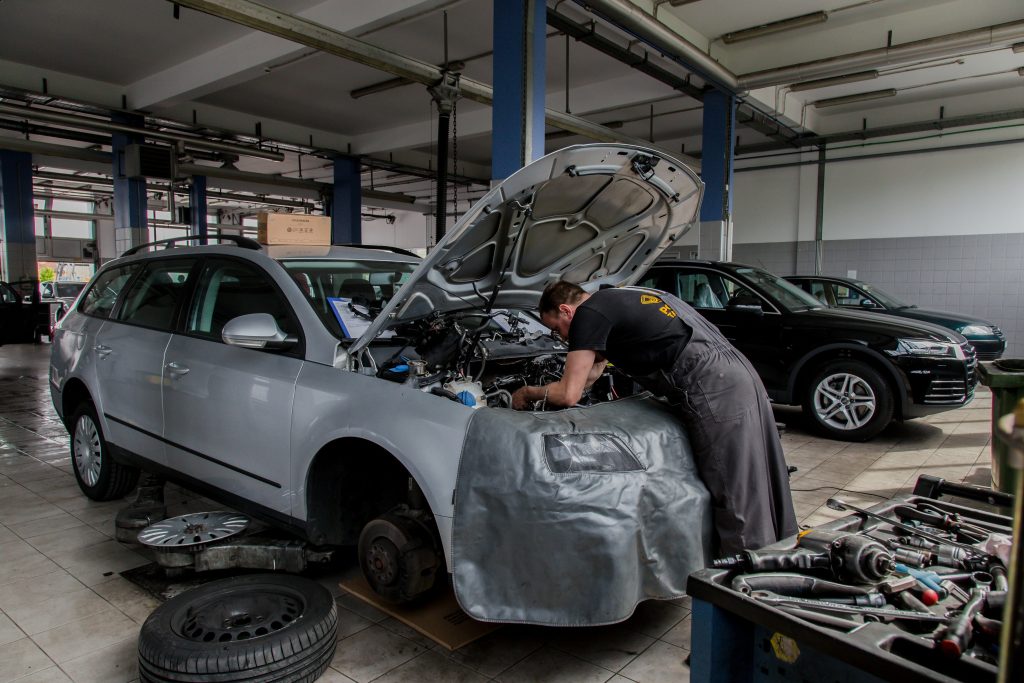
San Diego is one of the most enjoyable cities in the country to drive. Year-round mild weather, coastal scenery on Cabrillo Memorial Drive, canyon roads through Mission Trails, and the Pacific Coast Highway running north through La Jolla and Del Mar — getting around this city can genuinely be a pleasure. But beneath the relaxed Southern California driving culture lies a set of road conditions that quietly puts real demands on your braking system every single day.
The hilly terrain across neighborhoods like Hillcrest, Kensington, Point Loma, and Clairemont creates sustained descents that generate brake heat on every commute. The stop-and-go congestion on I-5, I-805, and the 163 through Mission Valley accumulates brake wear faster than the national average suggests. And the proximity to the coast means salt air corrosion working on your brake hardware year-round in ways that most inland California drivers never experience.
When a San Diego driver hears brake noise — a squeal, a grind, a chirp, a vibration under the pedal — it is never just a quirk of the car. It is always a signal. And in a city with the topography, traffic, and coastal exposure that San Diego has, ignoring that signal is one of the most consequential maintenance decisions a driver can make.
Here’s exactly what every brake noise means, why San Diego’s conditions make it more urgent than elsewhere, and how Mobile Mechanic of San Diego handles every brake issue at your location — no shop visit, no tow, no disruption to your day.
The Brake Noise Dictionary: What Each Sound Is Actually Telling You
Not all brake noises are the same, and they don’t all carry the same urgency. Understanding what you’re hearing is the first step toward knowing how quickly you need to act.
High-Pitched Squealing When You Apply the Brakes
This is the sound most San Diego drivers have experienced at some point, and it’s deliberately engineered. Nearly every modern brake pad includes a small metal wear indicator tab — a strip of harder metal attached to the pad backing plate that’s positioned to contact the rotor surface precisely when the pad friction material reaches minimum safe thickness.
When that tab makes contact, it produces a high-pitched metallic squeal that’s audible through the cabin. It’s not a sign that your brakes have already failed. It’s a warning that failure is approaching and a pad replacement needs to be scheduled promptly — typically within a few hundred to a couple thousand miles depending on your driving pattern.
In San Diego’s hilly terrain, that window is shorter than it would be in a flat city. Every descent from the higher elevations of Rancho Bernardo, Scripps Ranch, or El Cajon toward the valley floor is an extended braking event that accelerates pad wear faster than the wear indicator timeline assumes for average driving.
Our brake service in San Diego addresses wear indicator squeals with a complete pad and rotor inspection at your location. We measure pad thickness on all four corners, assess rotor condition, and give you an honest assessment of how urgently replacement is needed — without upselling work that isn’t warranted.
Metal-on-Metal Grinding
If squeal is the early warning, grinding is the alarm that’s already been ringing too long. Metal-on-metal grinding under braking means the pad friction material has worn completely through and the bare metal backing plate is now contacting the rotor surface directly.
Every braking event from this point is machining your rotor. The scoring and grooving that metal-on-metal contact produces is progressive and permanent — rotors that would have been fine with a pad replacement alone now need resurfacing or full replacement as well. What was a $150 to $200 pad service has become a $400 to $600 pad-and-rotor job, and in San Diego’s steep terrain, rotors scored by metal contact perform noticeably worse under the heat stress of a downhill grade.
This noise needs same-day attention. Do not normalize it or plan to address it next weekend. In a city where many daily routes involve real elevation change and canyon descents, grinding brakes are a safety issue, not a scheduling inconvenience.
Squealing or Chirping That Stops When You Apply the Brakes
This is a different sound pattern from wear indicator squealing — it occurs while the car is rolling and goes quiet when you press the brake pedal. In San Diego’s coastal climate, this pattern is almost always rotor surface rust.
Overnight marine layer moisture and the salt-laden air that comes off San Diego Bay and the Pacific settle on brake rotor surfaces and create a thin layer of rust that forms quickly and visibly. When the car first moves in the morning, that rust layer produces a chirping or light squealing sound until the first few brake applications scrub it off.
Light surface rust on rotors is normal in a coastal environment and typically harmless — it wipes away with normal driving. However, if the chirping persists through your entire commute rather than clearing within the first mile or two, it may indicate deeper corrosion in the rotor surface or corroded caliper hardware that’s preventing the pad from releasing cleanly after braking.
Vibration or Pulsation Through the Brake Pedal
A pedal that pulses or shudders under moderate braking — a rhythmic push-back against your foot as you slow down — is a classic sign of rotor warping. Rotors warp when they’re exposed to rapid, uneven cooling after a heat cycle — parking immediately after a long downhill descent, for example, rather than allowing the rotors to cool gradually through normal driving.
San Diego’s terrain makes this specific failure mode more common than in flat cities. Drivers who regularly descend from the eastern hills toward downtown or Mission Valley, then park immediately upon arrival, are inadvertently creating the conditions for rotor warping. A warped rotor also causes uneven brake pad wear, which compounds the issue over time.
Warped rotors don’t improve with use — they need to be measured for runout and either resurfaced if sufficient material remains or replaced. Our brake service includes runout measurement and rotor assessment as standard, so you leave knowing whether resurfacing or replacement is the right call.
Soft, Low, or Spongy Brake Pedal
A pedal that travels further toward the floor than normal, or that feels soft and spongy rather than firm, is one of the most serious brake warning signs on this list because it points directly to a hydraulic system issue. Common causes include brake fluid that has absorbed moisture over time and reduced in effective viscosity, a developing leak in a brake line, hose, or caliper seal, or air that has entered the brake hydraulic system.
San Diego’s coastal humidity accelerates brake fluid moisture absorption. Brake fluid is hygroscopic — it pulls moisture from the surrounding air — and in a marine-air environment, fluid contamination develops faster than the standard two-year replacement interval assumes. Water-contaminated brake fluid has a significantly reduced boiling point, which creates fade risk during the extended braking demanded by San Diego’s downhill grades.
A soft pedal is not a “monitor and see” situation. If your brake pedal has changed character — even subtly — our car diagnostics service in San Diego and brake inspection will identify the cause at your location and address it before a soft pedal becomes a failed pedal.
Pulling to One Side During Braking
A car that tracks sideways or pulls noticeably toward one side when you apply the brakes is exhibiting what mechanics call brake bias — uneven braking force between the left and right sides of the vehicle. Common causes include a seized caliper on one side that’s either dragging constantly or failing to apply properly, a brake hose that has collapsed internally and is restricting fluid flow to one corner, uneven pad wear from a hardware issue, or moisture-contaminated fluid on one side affecting hydraulic pressure.
In normal driving conditions this is disorienting. During emergency braking on one of San Diego’s wet winter roads or on a narrow canyon descent, a vehicle that pulls under hard braking can be genuinely dangerous. This symptom needs professional attention before the next significant braking event, not at the next scheduled service.
Why San Diego’s Specific Conditions Make Brake Maintenance More Critical
Every brake warning sign above is concerning anywhere. In San Diego, several local factors compound the urgency and the rate at which brake problems develop.
The terrain is relentless on rear brakes specifically. San Diego’s canyon geography means many drivers navigate sustained grades on a daily basis — not just occasional highway off-ramps, but genuine descents that generate significant heat in the rear brake circuit. Rear brakes, often overlooked because they wear more slowly than fronts in flat-terrain driving, can wear more evenly with fronts in a hilly city. Drivers who assume their fronts are the only brakes to watch in San Diego may be surprised by rear condition.
Salt air corrosion attacks caliper slides and pins year-round. Unlike desert cities where corrosion is minimal, San Diego’s coastal exposure means caliper slide pins — the hardware that allows calipers to float and release properly after braking — accumulate salt-accelerated corrosion continuously. A stuck caliper slide causes the brake pad on one side of a caliper to remain in contact with the rotor after your foot leaves the pedal, generating constant friction, heat, and premature wear. Drivers often experience this as a car that pulls slightly to one side, a burnt smell after a commute, or a rotor that’s visibly hotter than the other side after driving.
Winter rains bring oil and sediment onto road surfaces. San Diego’s dry summers concentrate motor oil, tire rubber, and sediment on road surfaces for months. When the first significant winter rains arrive — typically November and December — those accumulated deposits create genuinely slippery conditions that few San Diego drivers are fully prepared for. Brakes that were operating marginally through summer are tested hard in the first wet weather of the season, often on roads that are more hazardous than they look.
What a Complete Mobile Brake Inspection Covers
A thorough brake service in San Diego — performed at your home, office, or any location across the city — should include every element of the braking system, not just a visual pad check:
Pad thickness measurement on all four corners. Front and rear wear rates differ, and San Diego’s terrain equalizes them more than flat-city driving does. All four corners need individual assessment.
Rotor surface condition and runout measurement. Scoring, grooving, heat cracking, and lateral runout from warping are checked with measurement tools. Minimum thickness is verified to determine whether resurfacing is an option or replacement is required.
Caliper slide and hardware condition. Given San Diego’s salt air environment, caliper slide pin corrosion is one of the most common brake issues our technicians find. Cleaning, lubricating, or replacing seized hardware is a standard part of a proper brake service, not an optional add-on.
Brake fluid condition and moisture content. A brake fluid test assesses moisture contamination and effective boiling point. In San Diego’s coastal climate, two-year fluid replacement intervals are a minimum recommendation — many drivers need it sooner.
Brake hose and line inspection. Rubber brake hoses deteriorate from UV exposure and heat cycling. An internally collapsed hose restricts fluid flow and causes one-corner brake pulling without producing obvious external symptoms.
The Full Picture: Other Services That Support Brake Safety
Brake performance doesn’t exist in isolation — several other vehicle systems directly affect how safely and effectively your brakes operate under San Diego driving conditions.
Engine tune-up and engine braking efficiency. A properly tuned engine provides better throttle response and more predictable engine braking on downhill grades, reducing the load your friction brakes must carry. Our tune-up service in San Diego covers spark plugs, ignition system components, and fuel delivery — all at your location.
Cooling system health. Brake heat doesn’t just stress pads and rotors — repeated high-heat descents can stress adjacent components if cooling system issues are raising overall under-hood temperatures. Our radiator repair service in San Diego ensures your cooling system is managing engine heat properly, which matters more in San Diego’s combination of summer temperatures and sustained hill driving.
Oil change on schedule. Proper lubrication keeps all engine and drivetrain components operating at specification, which directly affects the smooth, predictable vehicle behavior you need when braking on a downhill grade. Our oil change service in San Diego comes to your location, uses the right specification for your vehicle, and takes disposal off your hands.
Belt condition. A failing serpentine belt in San Diego traffic or on a canyon road can kill your power steering and alternator simultaneously — creating an emergency handling situation on top of a vehicle that now relies entirely on its brakes with no mechanical assist. Our belt replacement service in San Diego inspects all drive belts and timing components on-site before they fail at the worst possible moment.
Transmission and clutch health. For manual transmission drivers navigating San Diego’s hills, a properly functioning clutch is part of the braking system — engine braking through downshifting is a standard technique for managing steep grades. A slipping clutch eliminates that option and puts everything on the friction brakes. Our clutch and transmission service in San Diego addresses drivetrain issues at your location.
Fuel system reliability. A stalling engine on a San Diego grade — from a failing fuel pump or fuel delivery issue — creates an immediate and dangerous situation where full brake force is needed instantly. Our fuel pump repair service in San Diego diagnoses and resolves fuel delivery problems on-site before they create a roadside emergency.
AC system performance. Not a brake safety issue directly, but in San Diego’s summer, a functioning AC system affects driver alertness and comfort on long commutes — both of which affect reaction time and braking decisions. Our AC repair and recharge service in San Diego restores full cooling capacity at your location.
Pre-purchase inspections for used vehicles. Buying a used car in San Diego without a brake inspection is a specific risk — coastal corrosion on caliper hardware, terrain-accelerated pad wear, and rotor condition may all be worse on a San Diego vehicle than on one with the same mileage from a flat inland city. Our pre-purchase car inspections in San Diego meet you at the seller’s location and give you a complete picture of the vehicle’s brake and mechanical condition before you commit.
Brake Safety Is Part of a Bigger Maintenance Picture
Staying on top of brake maintenance is one element of a broader vehicle care approach that keeps San Diego drivers safe and their vehicles reliable. If you’re thinking about the full picture of what your car needs — not just brakes but every system that affects your safety and reliability on San Diego’s roads — it’s worth reading how drivers in similar climates approach comprehensive mobile maintenance.
For drivers who want to understand what a complete mobile service looks like in practice, our colleagues at Mobile Mechanic of Orlando have put together excellent guides covering common car repairs that surface in hot-weather climates and a detailed road trip preparation checklist that applies directly to anyone planning a longer drive up the PCH or through Southern California. The brake, cooling system, and belt inspection points in those guides are as relevant to San Diego’s conditions as they are to Florida’s. When you’re ready to schedule your own service, contact us directly and we’ll get a certified technician to your location fast.
Mobile Auto Repair CA: San Diego Brake Service That Comes to You
Every brake noise on this page has a straightforward resolution when it’s addressed before it escalates. Every one of them becomes a more expensive, more complex, and more safety-critical problem the longer it’s ignored — and in San Diego’s terrain, the escalation happens faster than it would in a flat city.
Mobile Mechanic of San Diego brings certified, insured technicians to your home, office, or roadside location across San Diego, El Cajon, La Mesa, Chula Vista, National City, Lemon Grove, Santee, Poway, and throughout the county — 24 hours a day, 7 days a week. We arrive fully equipped with the diagnostic tools and parts to assess and resolve brake issues on-site, with transparent pricing and no hidden fees.
No tow truck. No shop visit. No lost morning. Just professional brake repair San Diego drivers can count on, delivered wherever your vehicle happens to be.
Don’t Let Brake Noise Become a Brake Failure
Every squeal, grind, chirp, and pedal vibration in this guide is your car communicating something specific and actionable. In a city built on hills with coastal air working on your hardware year-round, the time between first warning and genuine failure is shorter than it is almost anywhere else in California.
Contact Mobile Mechanic of San Diego today to schedule your brake inspection or call us at 619-376-3215 for same-day and emergency service anywhere in the San Diego area. We’ll come to you — because a brake problem caught in your driveway is infinitely better than one discovered on a downhill grade.