
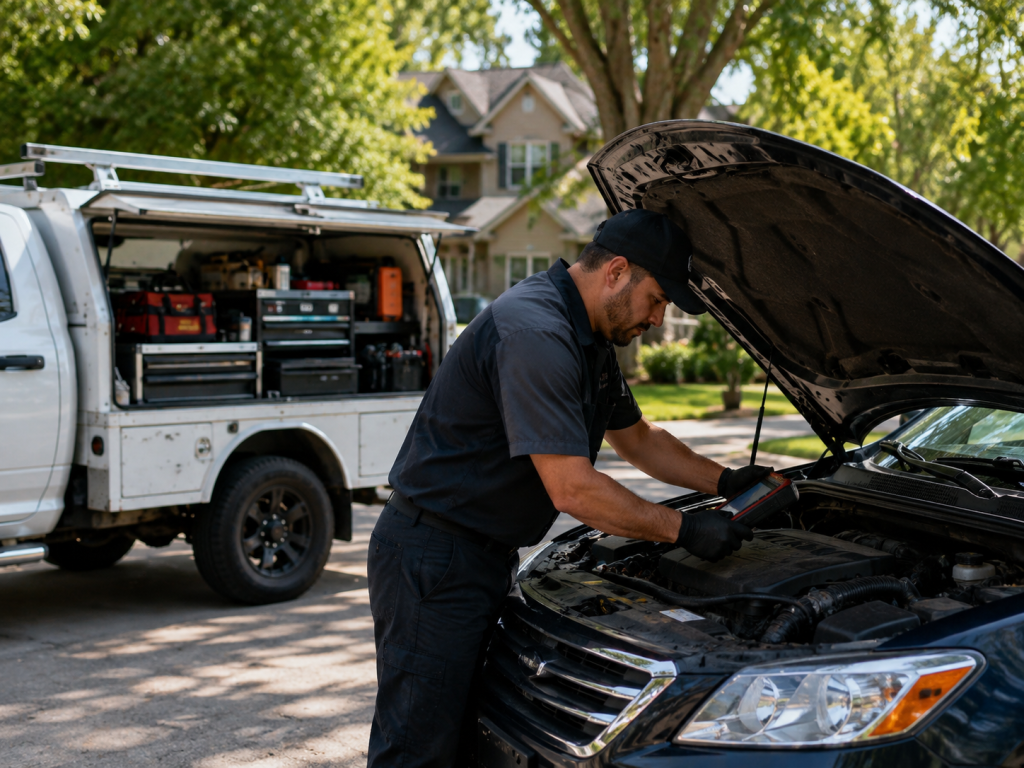
San Diego’s marine layer is one of the defining features of living here. That cool, gray blanket of moisture that rolls in most mornings, especially along the coast from La Jolla down through Ocean Beach and Coronado, is part of what keeps our climate so mild year round. It is also something most drivers never think about in terms of vehicle maintenance, yet this persistent coastal moisture quietly affects belts, hoses, and electrical connections in ways that can catch San Diego drivers off guard.
What The Marine Layer Actually Is And Why It Matters For Your Car
The marine layer forms when cool, moist air off the Pacific meets warmer air over land, creating that familiar layer of low clouds and fog that often burns off by midday. While it feels refreshing compared to the dry heat further inland, this daily cycle of moisture exposure followed by warming and drying creates a repeated dampening and drying pattern that many vehicle components were not necessarily designed to handle as their primary environment.
Unlike a single rainstorm that soaks everything and then dries out completely, the marine layer delivers a milder but far more consistent dose of moisture, often every single morning for weeks or months at a stretch, particularly during San Diego’s May and June gloom period. This daily repetition is exactly what makes it a hidden challenge rather than an obvious one, since no single morning of marine layer moisture seems significant enough to worry about, yet the cumulative effect over months and years adds up in ways that are easy to overlook.
How Moisture Affects Belts And Hoses Over Time
Rubber components like drive belts and coolant hoses are particularly sensitive to repeated moisture exposure combined with San Diego’s temperature swings between cool coastal mornings and warmer afternoons. This cycle of dampening and drying, repeated day after day, can accelerate the natural aging process of rubber, leading to small cracks and reduced flexibility earlier than the same components might show in a consistently dry climate further inland.
A belt that has been exposed to this pattern for years may develop surface cracking that is not always obvious during a quick visual check, but which increases the risk of a sudden failure, often at an inconvenient time rather than during a scheduled inspection. Hoses face a similar risk, since moisture combined with the natural flexing that occurs as an engine heats and cools can accelerate the breakdown of hose material from the inside out, sometimes leading to a slow leak that develops gradually rather than announcing itself immediately.
Electrical Connections Face Their Own Version Of This Problem
Electrical connectors, particularly those in the engine bay or underneath the vehicle, are vulnerable to the same repeated moisture cycle. Marine layer humidity can work its way into connectors over time, promoting light corrosion on contacts that were designed for a clean, uninterrupted electrical signal. This kind of corrosion often develops slowly enough that it does not cause an obvious failure right away, instead showing up as intermittent issues that seem to come and go without an obvious pattern.
Drivers sometimes notice a check engine light that appears occasionally, particularly on especially foggy mornings, only to clear itself once the moisture dries out later in the day. Other common symptoms include starting difficulties that seem more pronounced during heavy marine layer conditions, or electrical accessories that behave inconsistently depending on the weather. If you have dealt with starting trouble that seems tied to certain mornings more than others, our guide on the top 10 reasons your car won’t start and how to get back on the road covers a range of causes, some of which can be traced back to this kind of coastal moisture exposure.
Why This Challenge Is Easy To Miss
Because the marine layer feels so mild compared to a heavy rainstorm, most San Diego drivers never connect it to potential maintenance issues at all. There is no dramatic downpour to point to, no obvious puddle forming under the car, just a persistent, low grade moisture exposure that happens quietly in the background of daily life here. This subtlety is exactly what makes it worth mentioning to a technician during routine service, since a mechanic who is not specifically thinking about coastal moisture patterns might not immediately connect an intermittent electrical symptom or an aging belt to this particular cause.
Simple Habits That Help Offset The Effect
Having belts and hoses inspected a bit more frequently than the standard interval suggests is a reasonable precaution for vehicles that spend most of their time in San Diego’s coastal neighborhoods, where marine layer exposure is heaviest. A visual check for small cracks or soft spots, along with a general flex test on accessible hoses, can catch early signs of moisture related aging before a component actually fails.
Applying dielectric grease to accessible electrical connectors provides a protective barrier against moisture intrusion, and it is a simple, inexpensive step that can meaningfully reduce the risk of corrosion related electrical issues over time. Parking under cover when possible, even a simple carport rather than a full garage, reduces direct exposure to the heaviest morning moisture and can make a modest but real difference over the life of a vehicle.
Timing matters too. Vehicles that primarily sit outdoors overnight in neighborhoods closest to the coast, places like Pacific Beach or Point Loma where the marine layer tends to linger longest into the morning, face more cumulative exposure than a car garaged even a short distance further inland. It is not something most owners can easily change, but knowing that your specific neighborhood carries a bit more of this exposure than average is a good reason to lean toward the more frequent end of any inspection schedule rather than the least frequent one recommended for a typical dry climate.
Why A Mobile Mechanic Who Knows San Diego’s Climate Helps
A technician who regularly services vehicles throughout San Diego understands how the marine layer interacts with belts, hoses, and electrical systems in a way that a generic maintenance checklist simply does not capture. Rather than waiting for an obvious failure, a mobile mechanic familiar with this climate can inspect the specific components most affected by coastal moisture and catch early signs of wear before they turn into a roadside problem.
We covered the broader advantages of choosing mobile service in our article on why mobile mechanics are better than traditional auto shops in San Diego, which explains how convenience and local climate familiarity come together, particularly useful for a maintenance challenge as easy to overlook as this one.
Do Not Let San Diego’s Mild Climate Fool You
It is easy to assume that San Diego’s famously pleasant weather means less wear and tear on a vehicle compared to harsher climates elsewhere, and in many respects that is true. The marine layer, however, is a quiet exception, delivering a steady, cumulative moisture exposure that catches belts, hoses, and electrical connections off guard precisely because it never feels severe enough to worry about on any single day.
If it has been a while since your belts, hoses, and electrical connections had a proper inspection, visit our homepage to learn more about our services, or reach out through our contact us page to schedule a visit at your home or office anywhere in San Diego.
A little attention to this hidden coastal challenge now can help you avoid an unexpected failure the next time a heavy marine layer morning rolls through.